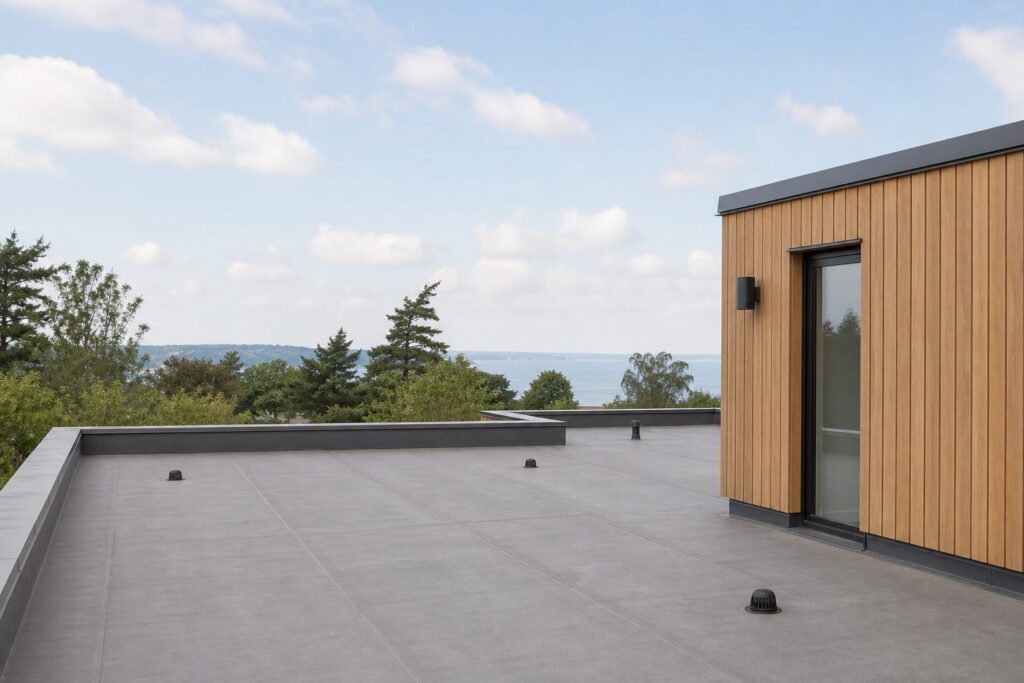
Flat Roof Inspection in Tampa, FL
Flat roof inspection in Tampa helps uncover issues like water pooling, cracks, and membrane damage. Identifying these early can prevent costly repairs and protect your property.
This service evaluates the condition of your flat roof carefully to find leaks or material wear. Regular inspections help your roof last longer and maintain its effectiveness.
Factors Affecting Inspection Cost
The cost of a flat roof inspection depends on several factors related to your roof and property. Size is a key factor because larger roofs require more time and effort.
Material type influences inspection detail since some membranes or coatings need special attention. The condition of your roof also affects labor complexity when inspecting layers or damage.
Scheduling and Inspection Length
Scheduling for a flat roof inspection depends on the inspection scope and current workload. The business plans visits around the property’s needs and weather conditions.
Inspections generally take enough time to thoroughly check all roof areas, usually a few hours. Depending on complexity, some inspections involve additional monitoring or testing tasks.
Inspection Details and Documentation
This company conducts flat roof inspections with trained technicians and uses industry-standard tools. They carefully document results with photos and notes.
Each inspection includes a visual overview and identification of defects or points of concern. The documentation helps homeowners consider maintenance or repairs based on clear findings.
Indicators of Roof Issues
These visible clues often indicate when a flat roof needs inspection or repair to avoid further damage.
- Pooling water. Water that stays on the roof surface after rainfall can degrade materials over time.
- Cracked membrane. Visible cracks or splits in the roofing membrane signal wear or structural stress.
- Blistering spots. Raised areas or bubbles on the roof surface suggest trapped moisture or heat damage.
- Leaves and debris. Accumulated debris can block drainage and cause water buildup on the roof.
- Sagging areas. Sections that dip or sag may indicate structural weakening or water saturation.
- Rust stains. Discolored or rusty patches show possible metal element corrosion beneath the roof.
Typical Reasons for Roof Damage
Several common conditions contribute to flat roof damage and warrant inspection.
- Standing water. Improper drainage allows water to pond, accelerating wear on roofing materials.
- UV exposure. Sunlight exposure over time breaks down membranes and causes material brittleness.
- Debris buildup. Leaves, branches, and dirt clog drains and trap moisture against the roof.
- Temperature changes. Expansion and contraction produce stresses that lead to cracks or splits.
- Improper repairs. Past repairs that use incorrect materials or techniques often fail prematurely.
- Foot traffic. Repeated walking damages certain roofing surfaces, increasing wear.
Inspection Procedure Overview
Step one: Walk the entire roof surface, inspecting all accessible areas.
Step two: Check drains, seams, flashing, and roof edges for defects.
Step three: Use moisture meters or other tools to detect hidden water damage.
Step four: Photograph and document problem spots or unusual conditions.
Step five: Review findings and prepare a report outlining roof condition.
Common Inspection Pitfalls
Avoid these mistakes that hinder flat roof inspections or worsen existing damage.
- Ignoring small leaks. Small leaks left unchecked can lead to larger problems inside the structure.
- DIY repairs without knowledge. Personal attempts to fix roofing issues can cause further damage or miss underlying issues.
- Skipping regular checks. Neglecting routine inspections allows damage to develop unnoticed and worsen.
- Obstructing drainage. Blocking drains with debris or materials promotes water buildup and damage.
- Using incompatible materials. Applying wrong patching products reduces roofing effectiveness and durability.
Maintenance Recommendations for Flat Roofs
Follow these simple maintenance practices to extend your flat roof's life between inspections.
- Clear debris regularly. Remove leaves, dirt, and branches from the roof surface and drains to prevent blockages.
- Inspect roof edges. Check flashing and edges for lifting or damage and arrange repairs if needed.
- Schedule routine checks. Plan periodic inspections to catch and address minor issues early.
- Limit roof traffic. Minimize walking on the roof to reduce wear and potential damage.
- Monitor water drainage. Ensure water flows properly off the roof to avoid pooling and leaks.
Common questions
Cost varies with roof size, material type, and existing condition affecting inspection complexity.
Inspections usually last a few hours depending on roof size and inspection details needed.
Visible signs like pooling water, cracks, or sagging areas indicate it is time to inspect.
Technicians check surfaces, seams, drains, test for moisture, and document all findings.
Schedule inspections regularly or if you notice leaks, damage, or drainage problems.
Ready when you are
Schedule Your Roofing Service
Contact us to arrange a roof inspection or repair. Our team will walk the roof with you and explain necessary steps clearly.