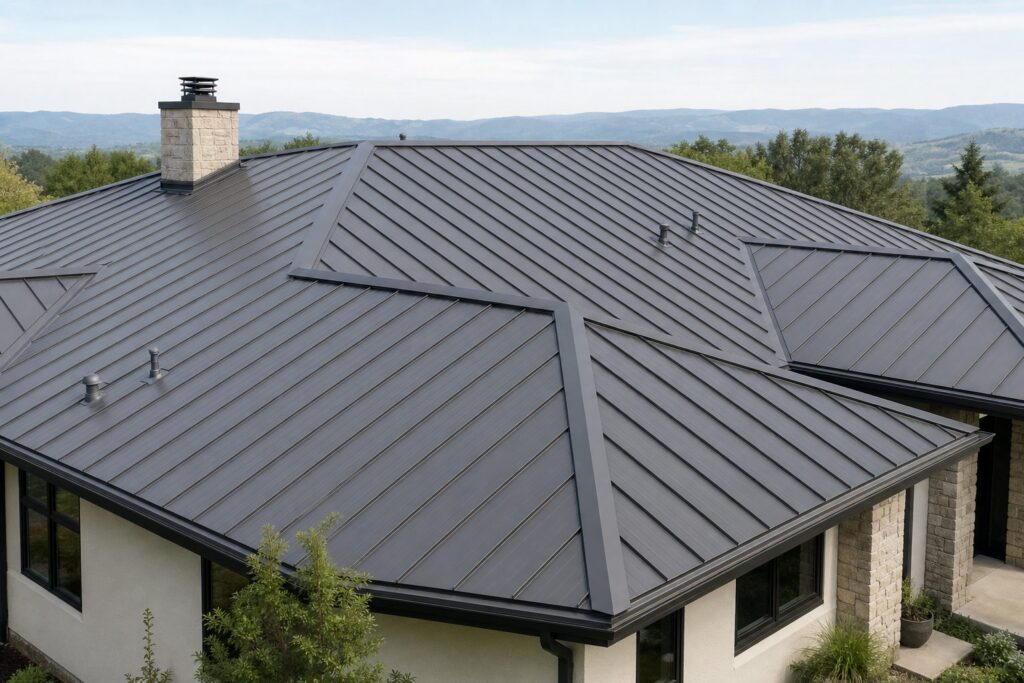
Metal Roof Installation in Tampa, FL
Metal roof installation provides a strong, weather-resistant covering for your Tampa home. This service involves fitting metal materials securely over your roof structure.
Choosing metal roofing offers resistance to many common roofing issues and requires careful installation to maintain its durability and appearance.
Factors Affecting Metal Roofing
Several elements influence the installation process for a metal roof. The size of your roof determines how much material and labor you need.
Material choice plays a significant role since steel, aluminum, and copper each have different handling and installation needs. The condition of your existing roof can affect preparation steps, such as removal or reinforcement.
Roof geometry, including slopes and angles, shapes how installers approach fitting panels and flashing to ensure proper overlap and water shedding.
Scheduling Metal Roof Work
Scheduling for metal roof installation depends on project scope and material delivery. The company coordinates with you to set appointments that fit the size and complexity of the job.
How soon you get a first reply usually relates to current workload and inquiry volume but should not be long under normal circumstances. The length of the job depends on the roof’s size, shape, and existing conditions, ranging from a few days to more for complex roofs.
Quality Indicators for Metal Roofing
This business maintains a focus on following established practices for metal roof installation, relying on manufacturer instructions and standard techniques.
No licensed credential or formal certification is listed for this service. Customer feedback confirms satisfaction with the installation and communication during the project.
Signs Pointing to Installation Needs
These signs often indicate when a metal roof installation is needed to replace or cover existing roofing.
- Visible rust spots. Rust appears as discoloration or surface corrosion on existing metal roofing panels.
- Loose panels. Panels that shift or flap in the wind show connection points may have loosened.
- Roof leaks. Water stains or drips inside indicate compromised roofing layers allowing moisture entry.
- Damaged flashing. Flashing around chimneys or vents that is bent or missing can cause water seepage.
- Corroded fasteners. Screws and nails showing rust weaken roof stability and seal.
- Uneven roofline. Bowing or sagging roof sections can signal structural issues or deteriorated supports.
Typical Reasons for Metal Roof Installation
Metal roof installation often addresses common issues or home upgrade goals.
- Aging materials. Old roofing loses protective coatings and suffers increasing wear and corrosion.
- Storm damage. Hail, wind, or debris impacts damage panels and flashing, prompting replacement.
- Energy efficiency. Metal roofs reflect heat and improve insulation to reduce energy use.
- Style update. Changing a roof to metal updates appearance and often increases durability.
- Structural support issues. Underlying wood or framing may require work before a new metal roof fits properly.
- Previous roof failure. Leaks or warped areas in older roofs signal need for new metal covering.
Steps in Metal Roof Installation
Step one: Inspect the existing roof and assess structural support and material condition.
Step two: Remove old roofing materials as needed and prepare the surface for metal panels.
Step three: Install underlayment to provide moisture barrier and temperature control benefits.
Step four: Position and secure metal panels, allowing for proper expansion and contraction.
Step five: Apply flashing around roof edges, vents, and chimneys to seal water entry points.
Step six: Check all fastening points and seams for tightness and alignment.
Step seven: Clean the site and walk through the completed roof installation with the customer.
Common Metal Roofing Mistakes
Avoid these mistakes to maintain metal roof integrity before professional installation.
- Improper panel overlap. Incorrectly overlapping panels allows water infiltration and reduces lifespan.
- Using wrong fasteners. Fasteners not intended for metal roofing may loosen or rust quickly.
- Skipping underlayment. Omitting the underlayment exposes the interior structure to moisture and heat.
- DIY flashing installation. Flashing requires precise fitting; incorrect installation leads to leaks.
- Ignoring roof slope. Metal roofs must fit the roof pitch to shed water effectively.
Care Instructions for Metal Roofs
Follow these habits to extend the life of a metal roof after installation.
- Regular debris removal. Clear leaves and dirt from roof surface and gutters to prevent moisture buildup.
- Check for loose fasteners. Inspect and tighten screws and nails to maintain secure panel attachment.
- Trim nearby tree branches. Prevent branches from rubbing or falling onto metal panels causing dents.
- Inspect flashing annually. Look for cracks or gaps in flashing and have repairs made promptly.
- Wash with gentle cleaner. Use mild soap and water to clean the roof surface and avoid harsh abrasives.
Common questions
Look for signs like visible rust, roof leaks, or loose panels. These indicate possible need for new metal roofing.
The timeline depends on roof size and complexity. Scheduling considers these factors to set appropriate dates.
Installation covers inspection, removal of old materials, underlayment, panel fitting, flashing, and final cleanup.
Yes, the work happens mostly on the roof exterior. Some noise occurs but interior areas remain safe.
Regular cleaning, fastener checks, and flashing inspections help maintain roof performance over time.
Ready when you are
Schedule Your Roofing Service
Contact us to arrange a roof inspection or repair. Our team will walk the roof with you and explain necessary steps clearly.