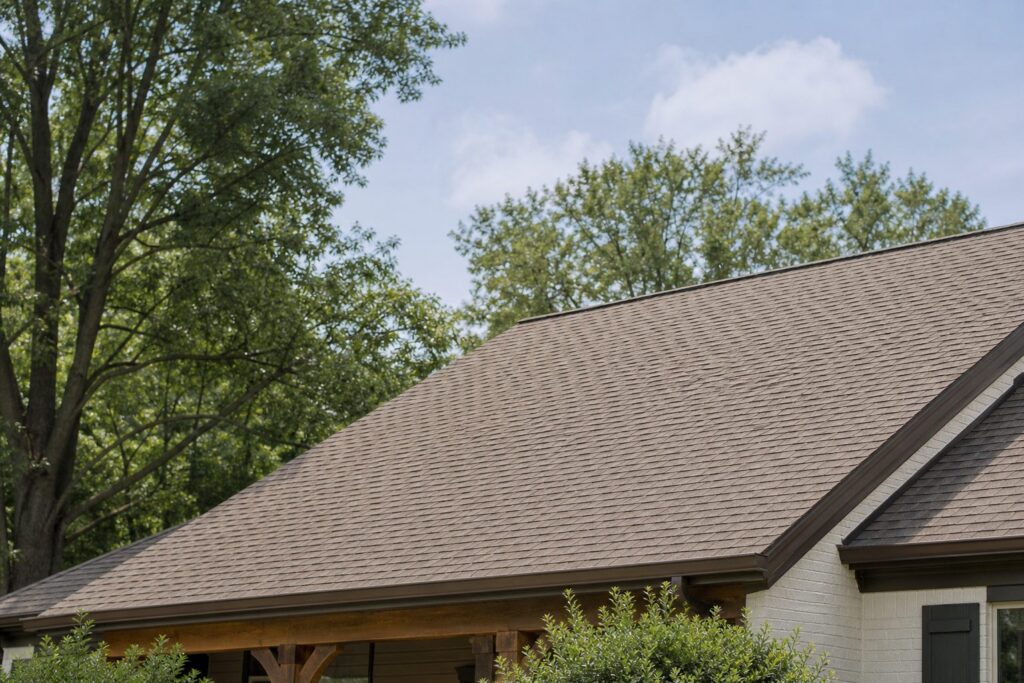
Storm Damage Inspections in Tampa, FL
Bayshore Test Roofing Three provides storm damage inspections for residential and commercial roofs in Tampa, FL. These inspections focus on identifying damage caused by wind, hail, and other storm-related factors. You receive a clear report to understand the state of your roof and what options are available.
The inspections assess vulnerable areas such as shingles, flashing, and gutters. Communication is straightforward, and the same crew remains involved to maintain consistency throughout any follow-up work you choose.
Inspection Details
Storm damage inspections include a careful walk-through of all roof surfaces. Inspectors look closely at materials like asphalt shingles and flashing for cracks, missing pieces, or dents from hail. They pay particular attention to areas typically affected by wind, such as ridge caps, edges, and valleys. Gutters and downspouts are reviewed for signs of impact or displacement. The goal is to identify any damage that might allow leaks or reduce the roof's lifespan. Unlike other roofing services, this work focuses on documenting storm-specific impacts rather than routine maintenance or installation. The inspection also notes any hidden signs that could indicate underlying damage, such as displaced nails or loosened components.
Cost Factors
The size of the roof significantly affects inspection cost. Larger roofs require more time and detailed examination. Roofing materials also influence cost; different materials need specific inspection techniques due to their vulnerability to certain storm effects. The roof’s current condition matters because areas showing previous wear or damage often require more attention. Accessibility impacts cost as well; roofs with multiple levels or hard-to-reach sections take longer to inspect thoroughly. Finally, the scope of damage suspected can affect the time needed and therefore the cost, as more extensive damage requires careful evaluation and documentation.
Scheduling Details
Scheduling for storm damage inspections depends on the current workload and your availability. Most businesses plan inspections based on the job size and complexity. The inspection itself usually takes a few hours, depending on roof size and condition. After the visit, there is time allotted to prepare a detailed report of findings. Follow-up discussions or additional visits may be arranged to review your options clearly.
Credentials and Reviews
This business has no specific licensed credentials or awards listed for storm damage inspections. However, one customer named Jordan said, "The inspection was thorough and easy to understand, and the crew stayed consistent throughout the process."
Storm Damage Indicators
These signs commonly point to storm damage that requires inspection and possible repair.
- Missing shingles. Shingles that are broken or completely missing often result from strong winds or hail impact.
- Dented flashing. Flashing with dents or deformation indicates hail strikes or debris impact during storms.
- Granule loss. Visible loss of granules on shingles exposes layers underneath and reduces water resistance.
- Lifted edges. Edges of shingles that lift or curl can signal wind damage and potential water entry points.
- Gutter damage. Pushed out or bent gutters show impact from storm debris or hail, affecting drainage.
- Dislodged nails. Nails sticking up or loosened increase vulnerability to further damage and leaks.
Damage Causes
Several factors typically cause the types of damage found during storm inspections.
- Wind gusts. Strong wind gusts loosen or lift shingles and flashing, often at roof edges and ridges.
- Hail strikes. Hailstones dent metal components and cause granule loss or cracks in shingles.
- Tree debris. Falling branches or twigs can hit the roof and create dents or punctures.
- Heavy rain. Rain combined with cracks or lifted shingles leads to water infiltration beneath the roof.
- Improper sealing. Failure in sealing joints or flashing can allow wind-driven rain to penetrate roofing layers.
Inspection Steps
Step one: Walk the entire roof to examine shingles and flashing closely.
Step two: Inspect gutters, downspouts, and roof edges for signs of storm impact.
Step three: Document visible damage with photos and detailed notes.
Step four: Check for hidden issues like loosened nails or displaced components.
Step five: Discuss findings with you and provide a clear report of roof condition.
Common Inspection Pitfalls
Avoid these mistakes to maintain roof integrity before a professional inspection.
- DIY repairs. Attempting to fix damage yourself may hide issues or cause further harm.
- Ignoring minor cracks. Small cracks in shingles or flashing often worsen if left unaddressed.
- Skipping inspections. Delaying an inspection after a storm increases risk of hidden damage growing.
- Blocking gutters. Clogged or blocked gutters prevent proper drainage and worsen roof damage.
- Walking on roof unsafely. Unsafe access attempts can cause personal injury and accidental roof damage.
Maintaining Roof Condition
These maintenance habits support your roof’s longevity between storm damage inspections.
- Regular debris removal. Keep your roof and gutters free of leaves and branches to prevent damage buildup.
- Prompt water drainage. Ensure gutters and downspouts direct water away from your roof and foundation.
- Schedule routine checks. Arrange periodic professional roof inspections to catch potential problems early.
- Trim overhanging branches. Remove limbs that could fall or repeatedly contact the roof during storms.
- Monitor roof surfaces. Look out for damaged or loose shingles and report these promptly to a pro.
Common questions
The inspection covers all roof sections, focusing on wind and hail impact areas, and includes a clear written report.
Schedule after a major storm or if you notice damage signs like missing shingles or dents on metal components.
You can look for obvious damage like lifted shingles or gutter issues, but a professional inspection is needed to find hidden problems.
Inspections include common roofing types such as asphalt shingle roofs and metal flashings found on homes and commercial buildings.
You receive a detailed report explaining the damage found and suggested steps for repair or replacement if needed.
Ready when you are
Schedule Your Roofing Service
Contact us to arrange a roof inspection or repair. Our team will walk the roof with you and explain necessary steps clearly.